
A Controversy That Captured National Attention
Few public exchanges generate as much attention as those involving politics, faith, and celebrity.
When comments attributed to a prominent political figure were directed toward country music legend Tanya Tucker, many expected the situation to escalate into another bitter public feud. Headlines spread rapidly. Social media erupted with reactions. Commentators weighed in from every side of the political spectrum.
The accusation was provocative.
The intention, according to observers, appeared to be to draw Tucker into a highly charged political battle.
Yet what happened next surprised many people.
Rather than responding with personal insults or anger, Tucker reportedly chose a different path.
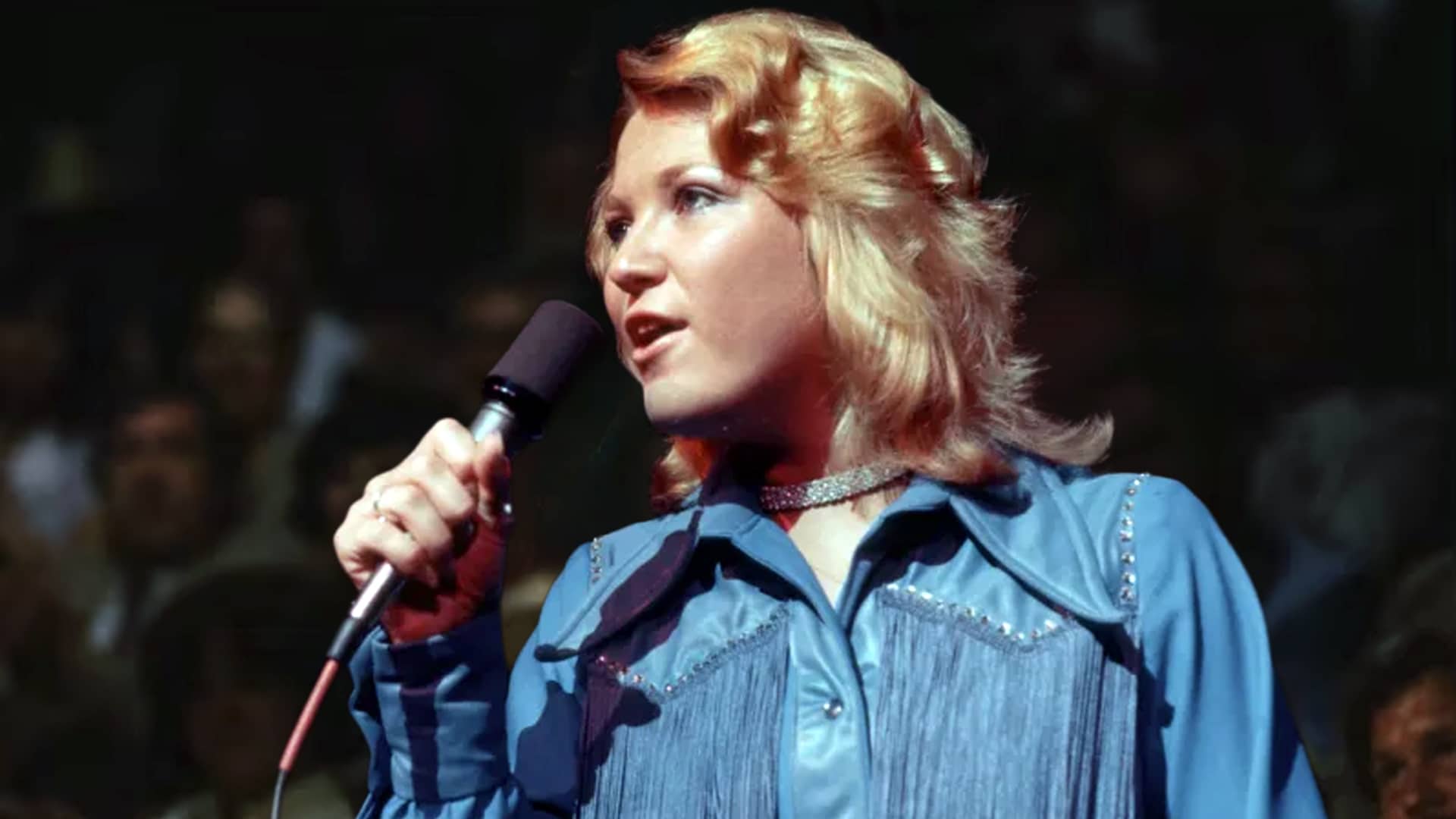
Standing before an audience at a historic venue, she addressed the controversy directly. What followed transformed a political dispute into a broader discussion about faith, morality, compassion, and personal responsibility.
Within hours, clips of her remarks began circulating online.
Within days, millions of people were debating not only her response but also the larger questions it raised.
What began as a political attack quickly evolved into one of the most discussed public moments of the year.

The Weight of Public Criticism
Public figures are no strangers to criticism.
Throughout her decades-long career, Tanya Tucker has experienced the highs and lows that come with life in the spotlight. She has faced scrutiny, controversy, praise, and criticism from both supporters and detractors.
Yet accusations involving faith often carry a unique emotional weight.
For many people, religious beliefs are deeply personal. When public discussions begin questioning someone’s values or spiritual identity, the conversation often becomes more intense.
Observers noted that the comments directed toward Tucker seemed designed to place her on the defensive.
Many expected her response to focus primarily on defending herself.
Instead, according to those present, she chose to redirect the discussion entirely.
Rather than arguing about labels, she reportedly began talking about actions.
Rather than focusing on accusations, she focused on values.
That decision would become the defining feature of her response.
A Calm Response Instead of a Furious One
Witnesses reportedly described Tucker’s tone as calm, measured, and reflective.
There was no visible anger.
No dramatic confrontation.
No attempt to match controversy with controversy.
Instead, she spoke deliberately, choosing her words carefully.
According to attendees, she acknowledged the accusation before asking a question that immediately shifted the conversation.
Rather than debating whether she personally met anyone’s definition of faith, she reportedly challenged the audience to consider how moral values are expressed through public policy and human behavior.
The room reportedly became noticeably quieter.
People realized they were no longer witnessing a typical political exchange.
The discussion had become something deeper.
It had become a conversation about conscience.
Turning Attention Toward Human Suffering
As her remarks continued, Tucker reportedly broadened the discussion beyond herself.
She spoke about healthcare.
She spoke about poverty.
She spoke about immigration.
She spoke about war.
Most importantly, she spoke about the human consequences of political decisions.
According to those present, her central argument was that moral debates should focus less on symbolic labels and more on how society treats vulnerable people.
She reportedly challenged listeners to consider the experiences of struggling families, sick individuals, displaced communities, and children affected by conflict.
Whether audience members agreed or disagreed with her conclusions, many acknowledged the emotional force behind her message.
Her comments encouraged people to think beyond partisan identities and consider the human impact of public decisions.
That broader perspective became one of the most widely discussed aspects of the speech.

Faith, Imperfection, and Humility
One of the most memorable moments reportedly came when Tucker reflected on her own imperfections.
Rather than presenting herself as morally superior, she acknowledged her flaws.
She reportedly emphasized that no human being is perfect.
That humility resonated strongly with many listeners.
Public debates often encourage people to portray themselves as entirely right while portraying opponents as entirely wrong.
Tucker’s remarks moved in the opposite direction.
She reportedly recognized the limitations shared by all people.
Observers noted that this acknowledgment gave her comments additional credibility.
Instead of speaking from a position of self-righteousness, she appeared to be speaking from personal conviction and self-awareness.
For many audience members, that distinction mattered.
It transformed the speech from a political statement into something more personal and reflective.
The Question That Left the Room Silent
Every significant speech contains a moment that people remember.
A sentence.
A question.
A phrase that lingers long after the event ends.
According to reports surrounding the fictional scenario, Tucker delivered exactly such a moment near the conclusion of her remarks.
She reportedly asked listeners to imagine a world free from hatred, violence, poverty, and division.
Then she challenged them to consider why those ideals often seem easier to envision than to pursue.
Witnesses described a noticeable silence following the question.
Regardless of political affiliation, many audience members appeared moved by the challenge.
The moment resonated because it addressed universal concerns.
People may disagree about solutions.
They may disagree about policies.
But few disagree about the desire for a more compassionate and peaceful society.
That shared aspiration gave the speech emotional power.
Social Media Explodes With Reactions
As videos and transcripts of the remarks spread online, reactions poured in from across the country.
Supporters praised Tucker for speaking openly about issues she considered important.
Many described her comments as courageous.
Others called them thoughtful and compassionate.
Critics, however, argued that entertainers should avoid becoming deeply involved in political debates.
Some questioned her conclusions.
Others disagreed with her interpretation of public policy and morality.
The result was an intense national conversation.
Yet even critics often acknowledged the effectiveness of her delivery.
Unlike many viral political moments, the speech generated discussion not because of outrage alone but because it raised questions that people genuinely wanted to debate.

The Ongoing Intersection of Art and Activism
The controversy also reignited a long-standing debate about the role of artists in public life.
Should entertainers remain politically neutral?
Or do public figures have a responsibility to use their platforms to address social issues?
This question has existed for generations.
Musicians, actors, writers, and performers have frequently used their visibility to advocate for causes they believe in.
Supporters argue that artists can help bring attention to important issues.
Critics argue that celebrity involvement sometimes oversimplifies complex debates.
Tucker’s fictional response became part of that broader discussion.
For some, it represented the power of using influence responsibly.
For others, it illustrated the risks of blending entertainment and politics.
Regardless of perspective, the conversation highlighted the enduring relationship between culture and public discourse.
Why the Speech Resonated Beyond Politics
Perhaps the most significant aspect of the moment was its ability to transcend political boundaries.
At its core, the speech was not merely about elections or partisan disagreements.
It was about values.
Compassion.
Empathy.
Responsibility.
Community.
These themes resonate with people regardless of political affiliation.
Many viewers reported that they connected with the emotional sincerity of the remarks even if they disagreed with specific political positions.
That response suggests that authenticity continues to matter in public life.
People often respond positively when they believe someone is speaking from genuine conviction rather than political calculation.
A Conversation That Continues
Long after the event concluded, discussions continued across television programs, podcasts, social media platforms, and community forums.
Supporters celebrated what they viewed as a powerful moral statement.
Critics continued challenging her conclusions.
Journalists analyzed the political implications.
Commentators debated the broader cultural significance.
The controversy showed no signs of disappearing quickly.
Yet perhaps the most important outcome was not agreement.
It was engagement.
People were thinking.
Questioning.
Discussing.
Reflecting.
And in an era often defined by polarization, meaningful discussion itself carries value.
Conclusion
What began as a political attack evolved into a much larger conversation about faith, morality, compassion, and public responsibility.
According to this scenario, Tanya Tucker responded not with personal insults but with questions that encouraged deeper reflection.
Her remarks sparked passionate reactions from both supporters and critics.
They generated debate across political and cultural lines.
And they reminded audiences that some of society’s most important questions cannot be reduced to simple slogans or partisan talking points.
Whether viewed as courageous, controversial, inspiring, or provocative, the response succeeded in achieving one undeniable result:
It turned a moment of criticism into a nationwide conversation about what people believe, what they value, and how those values should be reflected in the world around them.