
A Proposal That Immediately Ignited Controversy
Few public discussions generate stronger emotions than debates involving national identity, historical recognition, and social inclusion.
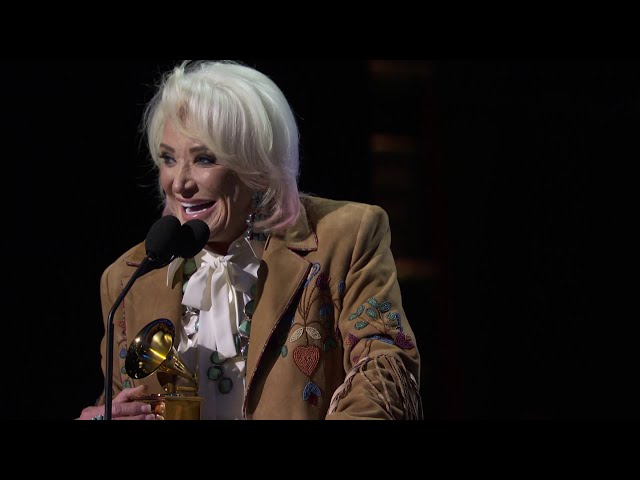
That reality became apparent after reports circulated claiming that country music icon Tanya Tucker had proposed eliminating LGBT Pride Month and replacing it with a month dedicated to honoring North American military veterans through special ceremonies and commemorative events.
According to the reports, the proposal was framed as a way to recognize the bravery, sacrifice, and contributions of veterans whose service helped shape the history and security of their nations.
The reaction was immediate.
Supporters praised the idea as an effort to increase recognition for military service members and veterans who have often endured significant hardships both during and after their years of service.
Critics, however, argued that honoring veterans and recognizing LGBT communities are not mutually exclusive goals and questioned why one observance would need to replace another.
Within hours, the discussion expanded far beyond the original proposal.
What began as a debate about commemorative events quickly evolved into a broader conversation about culture, recognition, public values, and who gets represented in national observances.

Why Veterans Hold a Special Place in Public Life
Supporters of the reported proposal pointed to the important role veterans have played throughout North American history.
Military personnel have served during wars, humanitarian missions, peacekeeping operations, disaster responses, and numerous other national and international efforts.
For many citizens, veterans symbolize courage, sacrifice, duty, and commitment to something larger than themselves.
Advocates for increased veteran recognition often argue that many former service members continue to face significant challenges after returning home.
Issues such as physical injuries, mental health struggles, housing insecurity, employment difficulties, and long-term healthcare needs remain major concerns in many countries.
Because of these realities, supporters believe veterans deserve continued public attention and appreciation.
Some argued that dedicated ceremonies could help educate younger generations about military history while providing opportunities to honor those who served.
To these individuals, expanding recognition for veterans represents a worthy goal regardless of political affiliation.
The Significance of Pride Month
Critics of the reported proposal responded by emphasizing the historical significance of Pride Month.
For many people, Pride Month serves as a time to recognize the experiences, struggles, achievements, and contributions of LGBT individuals throughout history.
Supporters of Pride observances argue that such events provide visibility, education, community support, and opportunities to reflect on social progress and ongoing challenges.
They contend that the purpose of Pride Month extends beyond celebration alone.
It also serves as a reminder of historical discrimination, civil rights advocacy, and efforts to promote equal treatment under the law.
From this perspective, replacing Pride Month would not simply be an administrative change.
It would be viewed by many as removing an important form of recognition for a community that has spent decades seeking visibility and acceptance.
As a result, critics argued that honoring veterans should not require eliminating another established observance.
Can Multiple Groups Be Recognized at the Same Time?
One of the most common arguments raised during the debate centered on a simple question:
Why must recognition for one group come at the expense of another?
Many commentators suggested that societies are capable of honoring multiple communities simultaneously.
National calendars already include numerous commemorative events recognizing military service, civil rights achievements, cultural heritage, historical milestones, and public service contributions.
From this perspective, veterans and LGBT communities need not be viewed as competing for recognition.
Advocates of this approach argued that expanding appreciation for veterans could occur without removing existing observances.
Supporters of this position often emphasized inclusivity rather than replacement.
They suggested that public recognition should not be treated as a limited resource available only to certain groups.
Instead, societies can choose to honor a wide range of contributions and experiences.
This viewpoint gained significant attention as discussions intensified online.

The Role of Public Figures in Cultural Debates
The controversy also reignited an ongoing debate regarding the role of celebrities in public policy and cultural issues.
Throughout modern history, entertainers have frequently used their platforms to discuss social concerns, political causes, and cultural debates.
Some people welcome such engagement, arguing that public figures have the same rights as any citizen to express opinions and participate in public conversations.
Others remain skeptical.
Critics sometimes argue that celebrity influence can oversimplify complex issues or encourage emotional reactions rather than thoughtful discussion.
The reported controversy surrounding Tucker reflects these broader tensions.
Supporters viewed the proposal as an example of someone speaking candidly about an issue they considered important.
Opponents saw it as an unnecessary intervention into a sensitive and divisive cultural debate.
Regardless of perspective, the situation demonstrated how quickly comments from well-known public figures can become national and even international conversations.
Social Media Amplifies Every Reaction
The speed at which the debate spread highlighted the powerful role social media now plays in shaping public discourse.
Within hours, supporters and critics were sharing opinions, creating videos, posting commentary, and debating the issue across multiple platforms.
Some users celebrated the proposal.
Others condemned it.
Many simply questioned whether the reported statements had been accurately represented.
As often happens with viral controversies, strong emotions fueled rapid engagement.
Posts expressing outrage, support, or disbelief received widespread attention.
At the same time, calls for verification and additional context competed with more emotionally charged reactions.
The situation served as another reminder that information can travel globally long before all relevant facts are fully established.
A Reflection of Broader Cultural Divisions
The intensity of the discussion revealed something important about the current cultural climate.
Many of today’s most contentious debates are not simply about individual policies or observances.
They often involve deeper questions regarding identity, history, values, and national priorities.
People bring different experiences and perspectives to these conversations.
As a result, the same proposal can be interpreted in dramatically different ways.
Some individuals may view increased veteran recognition as long overdue.
Others may view the removal of existing observances as exclusionary.
Still others may believe the entire discussion presents a false choice between groups that both deserve recognition.
These differing interpretations help explain why debates surrounding cultural symbols often become so emotionally charged.
The Importance of Verification and Context
As the controversy continued to unfold, many observers emphasized the importance of confirming the accuracy and context of the reported statements.
In the modern information environment, quotes can be edited, shortened, paraphrased, or removed from their original context.
Headlines frequently simplify complex discussions.
Social media posts often highlight the most provocative aspects of a story.
Because of this, media experts consistently encourage audiences to seek verified information before reaching conclusions.
Understanding what was actually said, how it was said, and the context in which it was presented remains essential for informed discussion.
Without that context, public debate can easily become driven by assumptions rather than facts.
A Debate That Extends Beyond One Individual
Ultimately, the controversy surrounding the reported proposal became about more than Tanya Tucker herself.
It evolved into a larger discussion about how societies choose to honor different groups, preserve historical memory, and balance competing perspectives.
Questions emerged regarding the purpose of public observances.
Who should be recognized?
How should recognition be allocated?
Can multiple communities be honored without creating conflict?
These questions have no simple answers.
Reasonable people often disagree about the best approach.
Yet the discussion itself highlights the importance of open dialogue and civic engagement.
Looking Ahead
Whether viewed as a bold proposal, a controversial suggestion, or an example of a broader cultural debate, the reported controversy has clearly captured public attention.
Supporters continue to argue for greater recognition of veterans and their sacrifices.
Critics continue to defend the importance of Pride Month and the communities it represents.
Others advocate for solutions that recognize both without framing them as competing priorities.
As reactions continue, one lesson remains clear:
In an increasingly divided cultural environment, discussions about recognition, identity, and national values are likely to remain among the most passionately debated topics of our time.
How those conversations are conducted—and whether they emphasize understanding rather than hostility—may ultimately prove just as important as the issues themselves.